 Add Row
  Add
Add 


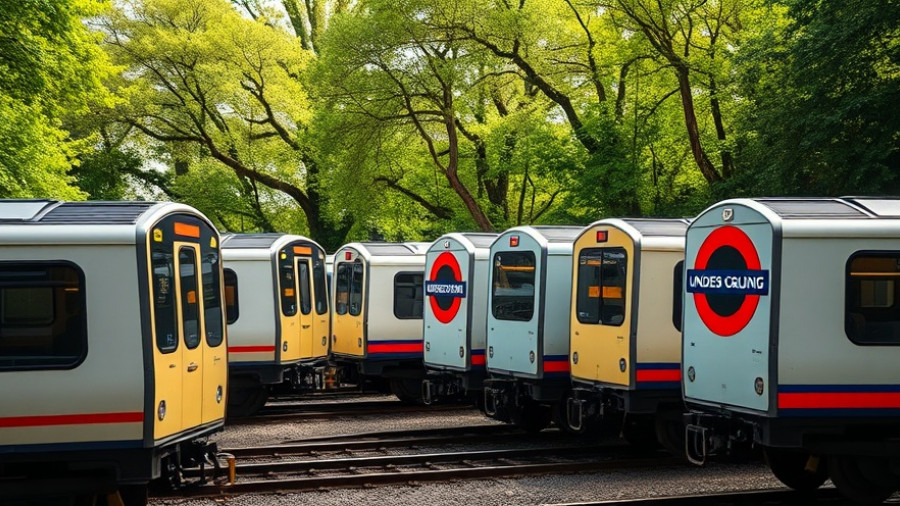
Why the Piccadilly Line Is Particularly Affected by Leaf Fall
Many Londoners are accustomed to the periodic disruptions caused by leaf fall, especially affecting the Piccadilly Line. While it might seem trivial, the accumulation of leaves can have significant repercussions. The heavy rains and winds we've experienced lately exacerbate this problem, rendering the tracks slippery and creating a mulch that leads to serious train damage. As reported, this autumn, the section between Rayners Lane and Uxbridge has faced interruptions, leading to the need for passengers to revert to the Metropolitan Line for their journeys.
The Historical Context of Leaf Fall Disruptions
This year's issues mirror experiences from the previous autumn when storms caused substantial disruptions. Nearly all trains on this line faced damage due to 'wheel flats' resulting from sliding brakes against the layers of slippery foliage. The part-shut situation persisted from mid-November through January, demonstrating that leaf fall's impact is not just seasonal but systemic, requiring careful planning and management by Transport for London (TfL).
What TfL is Doing to Mitigate the Issue
TfL has enacted a robust action plan aimed at lessening the fallout from such weather patterns. Initiatives include clearing trackside vegetation and deploying specialized engineering trains to monitor and address affected areas before the peak autumn season. Despite these efforts, the ageing fleet still suffers from these adversities, highlighting the increasing urgency for the introduction of new trains, planned for 2026, which promise to be more resilient against the challenges posed by leaf fall.
Future Predictions: Can We Expect More Closures?
With ongoing climate unpredictability, it's difficult to say if disruptions will lessen in coming years. The recent high wind gusts and rainfall showcase the volatile weather conditions Londoners must adapt to. Many are left wondering if gatherings of leaves on tracks—an oddity of urban life—will continue to create commutes filled with frustration.
Understanding the Impact on Daily Life
For young homeowners in London, the implications of these rail disruptions extend beyond mere inconvenience. This demographic often relies on efficient transport systems for access to work and community culture, influencing their property choices and lifestyle decisions. Awareness of how local transit infrastructure responds to seasonal challenges can offer valuable insights for future property investments.
Engaging with the Community During Disruptions
In tight-knit communities, disruptions can spur innovative local responses that strengthen bonds among residents. The challenges faced by the Piccadilly Line remind us of the value of community engagement during transport difficulties. Homeowners can organize support networks or share resources to help each other navigate these disturbances, demonstrating resiliency in shared urban experiences.
As we turn to face upcoming winters, it is essential for Londoners, especially young homeowners, to stay informed about local transport services. This involves not just understanding disruptions but also actively engaging with TfL's communication about service changes, as well as planning for alternatives that make commuting a smoother experience.


Write A Comment