Add Row
Add Element
cropper
update
Trade Talk London
update
Add Element
  • Home
  • Categories
    • Home & Property Care
    • Design & Inspiration
    • Sustainable Living
    • Smart & Connected Homes
    • London News
    • Homeowner Tips
    • Construction & Property News
    • Property Investment & Strategies
  • Business Spotlights
December 12.2025
3 Minutes Read

Discover the Spiral Spring Bulb Hack: Transform Your Home Before Spring

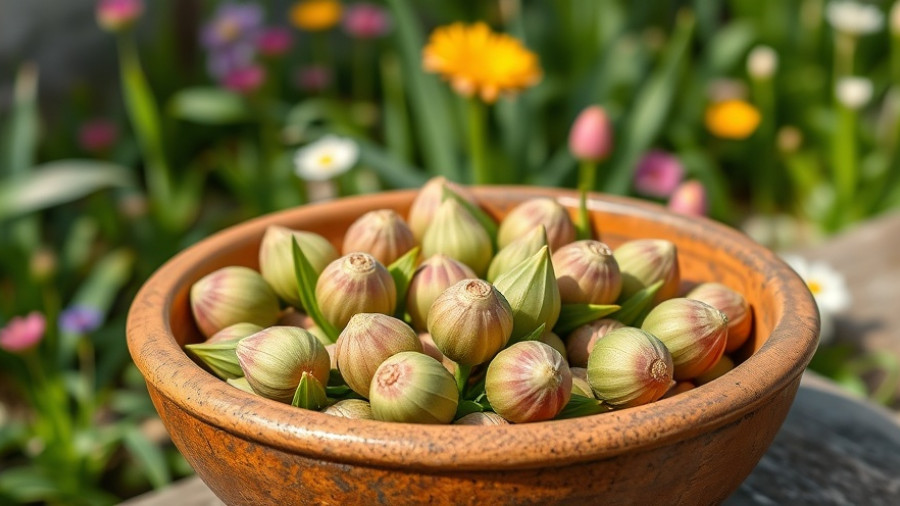
Earthenware bowl with spiral bulbs in a garden for spring bulb hack.

Unveiling the Spiral Spring Bulb Hack: A Creative Touch for Your Home

As the cold months lead us toward spring, the world of indoor gardening offers myriad opportunities to bring life to your home. The latest trend among eager green thumbs is the spiral spring bulb hack, a distinctive method that not only enlivens your surroundings but also adds a personal flair to your tabletop displays. With a simple arrangement of hardy dwarf bulbs, this innovative planting technique can transform any space into a miniature garden oasis, inviting warmth and color before spring even breaks.

Listening to Community Experts: Michelle Washington-Jenkins Leads the Way

Inspired by horticulturist Michelle Washington-Jenkins, this spiral bulb hack integrates both creativity and functionality. As featured in her engaging TikTok video, she exquisitely demonstrates how to utilize grape hyacinth (muscari) bulbs for this project. The beauty of this hack lies in its simplicity; Michelle’s approach requires just a shallow bowl, moist compost, and a few healthy bulbs. By creating a mound of compost and layering the bulbs in a spiral formation, you elevate traditional bulb planting into a stunning living decoration. Floral expert Maryam Ghani supports this claim, stating that this technique transforms a basic pot of bulbs into a vibrant centerpiece.

Why Choose Hardy Dwarf Bulbs?

Determining the best bulbs for this project is essential. Hardy dwarf varieties, such as muscari, hyacinths, and narcissi, are particularly suited for indoor arrangements since they thrive in limited rooting space and can flourish with minimal soil. According to floral expert Elise Harlock, these bulbs possess sufficient energy reserves to blossom without needing extensive care. This resilience makes them a favorite among urban dwellers like young homeowners in London, as they accommodate various living situations—perfect for apartments or smaller residences that lack expansive outdoor garden space.

Mastering the Spiral Planting Technique

To achieve the coveted spiral effect, follow Michelle's straightforward method: first, prepare your shallow bowl by filling it with a moist bulb fiber mix. The key lies in the mound structure, which provides sturdy support for the bulbs and allows for excellent drainage. Once the bulbs are carefully twisted into the soil, their growth will magically form a captivating 3D dome by the time spring arrives.

As pointed out in a detailed overview from Gardener's Supply, appropriate indoor bulb care remains crucial. Forcing bulbs indoors, especially those that require chilling, involves understanding the different preparation needs of each type. While muscari can thrive with less preparation, bulbs like tulips and daffodils necessitate specific chilling periods to ensure vibrant blooms.

Tools of the Trade: Making Bulb Arranging Convenient

Investing in the right tools can further enhance your bulb planting experience. According to various gardening blogs, using quality compost, drainage accessories, and stylish planting containers elevates your indoor gardening journey. Simple items, like decorative pots and supportive glass containers, can double as functional decorations in your home, allowing you to showcase your plant arrangements while adhering to sustainable and eco-friendly principles.

Transforming Your Indoor Space: Creating Long-Lasting Memories

The emotional value of bringing nature indoors extends beyond aesthetics. As young London homeowners, developing a personal connection to your living space fosters community bonding and enhances your everyday environment. Engaging in active gardening projects, such as this spiral bulb hack, allows you to immerse yourself in a rewarding pastime that reflects both creativity and sustainability.

Final Thoughts: Your Invitation to Explore Indoor Gardening

Now that you've discovered the charm of the spiral spring bulb hack, it's time to roll up your sleeves and infuse your home with nature's beauty. With a few simple ingredients and a sprinkle of creativity, you'll lead the vibrant charge for spring blooms. So gather your supplies, challenge your design flair, and prepare to showcase mesmerizing indoor arrangements that celebrate the awakening of life. Join the movement of transforming indoor spaces and grounding your home with enchanting natural elements.

Ready to try the spiral bulb hack in your home? Dive into indoor gardening and check out local gardening groups to share advice and resources. Let your creativity bloom!

Design & Inspiration

0 Comments

Write A Comment

*
*
Related Posts All Posts

Explore the New Morris & Co Bedding: A Blend of Comfort and Style

Update Embrace Comfort with Morris & Co. BeddingThe world of home décor is ever-evolving, and the latest collaboration between Piglet in Bed and Morris & Co. is catching the eye of young homeowners in London. This new bedding collection, featuring evocative designs, is not just about aesthetics—it's about creating a comforting haven that homeowners can retreat to after a long day in the bustling city.A Contemporary Spin on Timeless DesignsMorris & Co., known for its rich history in arts and crafts design, has partnered with Piglet in Bed to breathe new life into classic patterns. The Piglet in Bed collection showcases three carefully selected designs from the Morris & Co. archives, all crafted to fit seamlessly into the relaxed aesthetic that Piglet in Bed is famous for. Each piece tells a story of craftsmanship, where soft palettes of pinks, blues, and sage allow the intricate patterns to offer a calming presence in your bedroom.The Perfect Blend of Quality and StyleWith duvet covers priced from £69 for washed cotton to £139 for premium linen blends, the collection balances affordability and quality. The leafy motifs and floral patterns create an inviting atmosphere, making it an ideal choice for homeowners looking to uplift their spaces with elegance. Moreover, the design versatility allows for mixing with Piglet's other bedding ranges, encouraging creativity in styling. Jessica Hanley, the CEO of Piglet in Bed, emphasizes this, stating, "These designs can be paired with patterns like colour-drenched ginghams or warm neutrals to create an inviting look for the cozy months ahead.”Sustainability: A Core ValueFor young homeowners, sustainability matters, and Piglet in Bed is committed to responsible manufacturing practices. All bedding pieces are Oeko-Tex Standard 100 certified, ensuring that they are free of harmful chemicals. The commitment extends to eco-friendly materials, further enhancing the appeal of this collection. Customers can sleep soundly, knowing that their choices contribute to a sustainable future.Practical Styling Tips to Personalize Your SpaceTo make the most of the Morris & Co. bedding collection, homeowners are encouraged to experiment with textures and colors. Mixing a patterned duvet cover with contrasting fitted sheets or pairing floral prints with bold stripes can create a bespoke look. Consider incorporating complementary cushions or throws to add layers of warmth and interest to your bedroom. The focus on comfort and design will resonate well with Londoners, making their spaces both chic and welcoming.Final Thoughts: Make Room for StyleAs the chilly months approach, now is the perfect time to refresh your bedding. The new collection from Piglet in Bed and Morris & Co. is more than just bedding; it’s a commitment to comfort, style, and sustainability. So why not make space in your home for these unique designs? They not only define your personal style but also create a sanctuary in which you can unwind. Dive into the wonderful world of home décor, and let your bedroom reflect the warmth of your personality.

Transform Your Garden with Camassia: Attract Bees, Birds, and Butterflies!

Update The Allure of Camassia: A Garden Essential for London Homeowners If you're a young homeowner in London looking to transform your garden into a vibrant sanctuary, look no further than the enchanting camassia bulb. As winter gives way to spring, this stunning flower not only adds a touch of beauty but helps to attract beloved wildlife like robins, bees, and butterflies. Imagine stepping outside to the cheerful chirping of birds and the gentle buzz of pollinators, a hallmark of a thriving ecosystem right in your backyard. Why Camassia? Camassia, often referred to as wild hyacinth or quamash, is a star in the garden world. Its vibrant flowers in hues of blue, white, or cream bloom in late spring, providing a long-awaited burst of color after winter. This bulb is more than just eye candy; its blossoms are a vital food source for various insects, making it an essential part of maintaining your garden's biodiversity. James Ewens, a gardening expert at Green Feathers, highlights how 'insects are galore' once spring arrives, and camassia plays a crucial role in attracting these pollinators. Planting Timing: When to Plant Camassia The best time to plant camassia bulbs is in the autumn, from September to November, while the soil is still warmly inviting. This allows the bulbs to establish roots before winter's chill sets in. The ideal conditions for planting involve moist, well-draining soil, whether that's in a sun-drenched spot or a lightly shaded area. Plus, camassia's versatility means it thrives even in lower-quality soils, making it suitable for many London gardens. Complementary Planting: The Perfect Garden Companions Not only does camassia shine on its own, but it also pairs beautifully with other plants. Consider planting it alongside perennial favorites such as Solomon’s Seal or bleeding heart for a dramatic effect. Its tall, sturdy stalks can stand proud in any garden arrangement, and the star-like flowers look particularly striking against lush green foliage. For those looking to create a laid-back, natural vibe, camassia also works wonderfully in wildflower patches or alongside garden ponds, further inviting wildlife. Environmental Impact: Why Your Garden Matters In today's rapidly urbanizing world, creating half-wild gardens can be a vital part of local ecology. By choosing native plants like camassia, you not only beautify your outdoor space but also support local wildlife populations. Birds, in particular, thrive in well-planned gardens where they can find food and shelter. Additionally, planting camassia is a step toward sustainable gardening, reinforcing the delicate balance between human habitation and nature. Frequently Asked Questions About Camassia What soil is best for camassia?Camassia prefers moist, well-draining soil that can be slightly acidic. It can thrive even in heavy, moist soils, so don’t shy away if your garden isn’t perfectly optimized. Can camassia be grown in pots?While camassia grows best in the ground, it can be cultivated in larger containers. Just ensure they are adequately watered throughout dry spells. Your Next Steps: Transform Your Garden As a young homeowner keen to embrace eco-friendly living, incorporating camassia into your garden is a wonderful way to start. This charming bulb not only enhances your garden’s aesthetic but also enriches local biodiversity. The next time you're thinking about your garden plans, remember: inviting nature in can be as easy as planting a few bulbs. So grab some camassia bulbs and start planting! Together, we can create greener spaces that support our feathered friends and buzzing pollinators. Let's celebrate community living and sustainable practices right in our backyards.

The Essential November Seed Guide for a Vibrant Spring Garden

Update How to Prepare for a Flourishing Spring Garden This November As the vibrant colors of autumn begin to fade, many London homeowners may feel disheartened thinking about their gardens. However, November is actually a critical time for sowing seeds that promise a spectacular garden come spring. If you're looking to bring life back into your space and enjoy a bountiful harvest, read on to discover which seeds to plant this month and how to ensure they thrive. Why You Should Sow Seeds in November While spring may be regarded as the main season for sowing seeds, November offers a unique advantage. Cooler soil temperatures and seasonal moisture create optimal conditions for certain vegetable and flower seeds. Some seeds benefit from cold exposure to prompt germination, a process known as cold stratification, making November an ideal time to kickstart their growth before the winter freeze. Top Seeds for November Sowing Kris Collins, nursery manager at Thompson & Morgan, emphasizes that November isn't the busiest month for gardeners, but it's perfect for strategic sowing. Here's a curated list of seeds that novice and seasoned gardeners alike should consider this month: Broad Beans: Try the 'Aquadulce Claudia' variety, which is excellent for autumn sowing. Plant about 5cm deep in rows. Carrots: The 'Paris Market - Atlas' strain is fantastic as it thrives even in pots, making it perfect for small London gardens. Thin to 5cm apart after sowing. Lettuce: 'All The Year Round' is incredibly reliable. It’s worth sowing thinly and using cloches to keep it warm. Peas: As the season’s first harvest, the 'Meteor' variety can be sown now for a manageable and delicious crop next summer. The Benefits of November Sowing Planting in November means you're making the most of the available space in your garden while it’s still manageable. By sowing now, you will likely enjoy an earlier harvest, reducing the pressure of the busy spring season. For those opting to grow sweet peas, starting them in November can yield earlier blooming than if sowed in spring. Fabulous Flowers to Overwinter In addition to vegetables, the right flowers can also be sown now to yield bright blossoms come warmer months. Dr. Emily Attlee from Seedball suggests cultivating a mix of annual and perennial wildflowers such as poppies and cornflowers. These can thrive in smaller spaces and contribute to London’s biodiversity in urban settings. Wildflowers: Scatter seeds in bare soil for a charming mini-meadow. Sweet Peas: Not only provide gorgeous blooms but their scent is unmatched in the garden. Eryngium: The striking sea holly will flourish in sunny spots and is drought-resistant, perfect for changing climate variables. Practical Tips for Sowing Seeds this Month Before diving into sowing, here are practical tips to enhance your gardening adventure: Prepare Your Soil: Ensure your soil is well-drained and nutrient-rich—this sets the foundations for healthy plants. Label Your Seeds: Keep track of your sowings to maintain order in your garden. Watering Wisely: Moisture is crucial during the germination phase; monitor regularly. Looking Ahead: A Vision for Your Spring Garden As you plant these seeds, imagine your garden in bloom. This proactive approach not only nurtures biodiversity but enriches your own living space. By sowing now, you can look forward to delightful colors and tastes that will make your efforts worthwhile. So grab your gloves and prepare to dig in! November is not just a waiting period but an opportunity for sowing and nurturing hope for a beautiful spring garden. For more tips on gardening and home improvement, connect with your local community and explore resources aimed at sustainable living. Local workshops or community gardens can provide great insight and camaraderie.

Terms of Service

Privacy Policy

Core Modal Title

Sorry, no results found

You Might Find These Articles Interesting

T
Please Check Your Email
We Will Be Following Up Shortly
*
*
*