Add Row
Add Element
cropper
update
Trade Talk London
update
Add Element
  • Home
  • Categories
    • Home & Property Care
    • Design & Inspiration
    • Sustainable Living
    • Smart & Connected Homes
    • London News
    • Homeowner Tips
    • Construction & Property News
    • Property Investment & Strategies
  • Business Spotlights
June 15.2025
3 Minutes Read

Clapham Junction: The London Train Station That's Misnamed Yet Vital

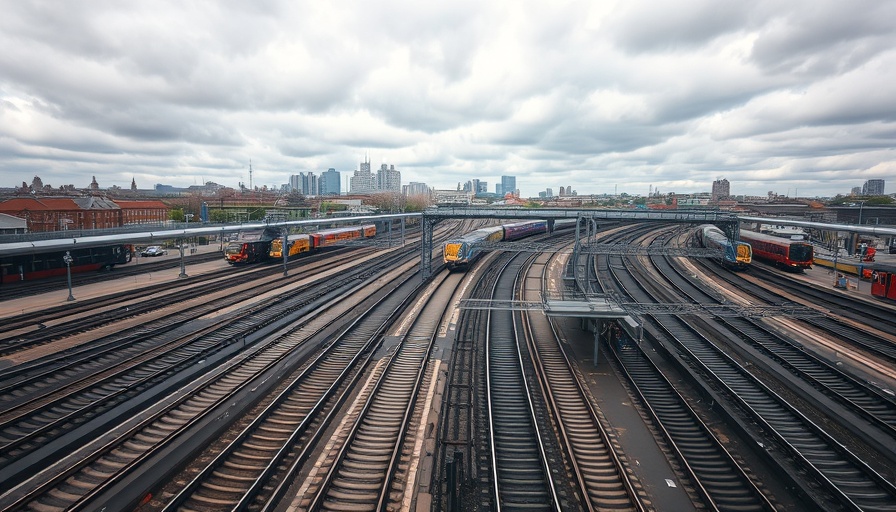
Clapham Junction Train Station with multiple railway tracks and overcast sky.

Unmasking Clapham Junction: A Train Station's Identity Crisis

In the intricate web of London's public transport system, few stations are as well-known yet as misunderstood as Clapham Junction. Nestled just 1.4 miles away from the affluent enclave of Clapham, this station is a critical hub for commuters from the surrounding counties of Surrey, Sussex, and Hampshire. Yet, despite being one of the busiest in Europe, it often finds itself overshadowed by its own reputation and design flaws.

A Historical Perspective: Naming and Misnaming

The name 'Clapham Junction' itself is a reflection of the area's history and branding. Historians link the naming of the station to efforts made in the 1960s to elevate its status, by associating it with the posher Clapham neighborhood. In truth, Clapham Junction is located in Battersea, an area that historically had a less glamorous reputation. But why did the naming become a crucial marketing tool? The station's origins date back to 1838, evolving through various railway companies until five merged to establish Clapham Junction, facing a gauntlet of planning challenges ever since.

The Practicalities of Travel: Design Deficiencies

Clapham Junction offers 17 platforms and is a major interchange, managing a staggering volume of traffic. However, for first-time visitors, navigating the murky passageways and dim lighting can be disheartening. Many travelers have found themselves rushing through inconveniently designed spaces that become especially congested during peak hours or popular events, like a Chelsea match or rugby games. TikTok user @ali.unoriginal highlighted the chaotic nature of the design, showcasing a reality that many commuters encounter daily.

Community Insights: Voices from Commuters

For young homeowners in London, particularly those interested in community and home improvement, the frustrations associated with Clapham Junction transcend mere inconvenience. The station represents a larger conversation about urban planning and accessibility in London. Many commuters express a sense of disconnection from the stations within their daily routines, emphasizing the need for a more sustainable and user-friendly transport experience. The chaos at Clapham Junction serves as a reminder of the importance of thoughtful urban design and the impact it has on a community.

The Future of Urban Transport: Trends and Predictions

As we look ahead, the need for innovative solutions to enhance the efficiency and aesthetic appeal of Clapham Junction becomes paramount. The rise of smart transportation systems could provide a valuable opportunity to modernize stations across London. Improvements, such as real-time updates, sustainable infrastructure, and community-oriented design, could transform the station into a welcoming space that drives a sense of belonging among commuters. Just as technology continues to evolve within our homes, so too should our public transport systems reflect that modernity.

Neighborhood Nuances: The Story of Battersea

While most discussions focus on Clapham Junction's transportation aspects, understanding the surrounding community adds depth to the conversation. Battersea itself is undergoing a renaissance, with significant developments contributing to its transformation. Young homeowners are increasingly investing in the area, drawn to its rich history and emerging lifestyle offerings. This shift represents a shift in identity for Battersea and a potential opportunity for the station to redefine its reputation.

Call to Action: Rethinking Connections in Our Community

As passionate advocates for sustainable living and community engagement, it’s vital for Londoners to recognize the hidden stories behind our transport systems. The narrative of Clapham Junction is not just about a station; it’s a reflection of our evolving city, emphasizing the importance of community bonds and accessible public spaces. Let's join hands to advocate for improvements in our local infrastructure, ensuring that every journey can be a pleasant one. Engage in local discussions, attend community meetings, and voice your views – together, we can pave the way for smarter, more connected homes and neighborhoods.

London News

0 Comments

Write A Comment

*
*
Related Posts All Posts

Emergency Measures Unveiled to Address London's Housing Shortage: What Homeowners Need to Know

Update Emergency Measures to Tackle London's Housing Crisis London is facing an unprecedented housing crisis, with house-building in the capital at a virtual stand-still. The local and national government has now taken emergency action to alleviate this pressing issue, introducing a suite of measures aimed at getting construction projects back on track. These initiatives are pivotal as London grapples with spiraling interest rates, rising construction costs, and the ongoing repercussions of Brexit. Understanding the New Measures To tackle this housing stagnation, a new emergency support package has been rolled out. Central to these changes is a temporary reduction in the percentage of affordable housing that new developments must deliver, dropping from 35% to 20%. This alteration is designed to enhance the viability of projects, making it easier for builders to get shovels in the ground. Additionally, developers will benefit from temporary relief from the Community Infrastructure Levy (CIL), which can ease financial burdens on new builds. This is particularly essential for projects that commit to providing at least 20% affordable housing. Other measures include clarifying design constraints on density and a time-limited planning route allowing developers to bypass exhaustive viability assessments if they meet these new affordable housing targets. The Role of Local Governance Importantly, the London Mayor, Sadiq Khan, has been given expanded powers to review and intervene in housing applications. This means he can now accelerate plans for developments of over 50 homes that local boroughs may be hesitant to approve. This significant shift aims to streamline the planning process and facilitate quicker decisions about essential housing projects. Funding the Future: City Hall Developer Investment Fund Accompanying these regulatory changes is an initial £322 million earmarked for the City Hall Developer Investment Fund. This fund aims to provide financial support to developers ready to commit to building affordable homes. By channeling funds in this manner, London’s government hopes to stimulate private investment and invigorate housing delivery across the city. The Broader Impact on Homeowners For young homeowners, the implications of these measures are considerable. As the initiative seeks to bolster the construction of more affordable housing, it opens the door for increased availability of homes and potentially stabilizes current property prices, which have been fluctuating amid economic uncertainties. Moreover, the government's target of delivering 1.5 million homes as part of its Plan for Change may become more attainable, thanks to these emergency measures. This ambitious goal isn’t just a statistic; it represents the changing lives of countless individuals and families looking for a home they can afford. Voices from the Community According to local stakeholders, the urgency of the situation warrants collective efforts, highlighting support for homeowners and applicants looking for housing. Craig Carson, Barratt London’s regional director, expressed optimism regarding the plans, believing they will address the pressing housing crisis and trigger vital economic growth through infrastructure investment. As a young homeowner or prospective buyer in London, this emergency action could fundamentally alter the landscape of your local community. The vision is clear: more homes, greater affordability, and a renewed sense of hope for London’s housing market. Looking Ahead: What’s Next? As the government moves to implement these measures, all eyes will be on the outcomes over the coming months. This initiative not only showcases a commitment to meeting housing needs but also serves as a critical reminder of the importance of community engagement in tackling local issues. As these changes unfold, they present opportunities to dream about a future where affordable housing and thriving communities are within reach for all Londoners. Stay tuned as London embarks on this new chapter—because everyone deserves a place to call home.

Storm Benjamin Causes Severe Transport Disruption for London Commuters

Update Storm Benjamin Disrupts London's Transport NetworkUK's capital is currently facing significant travel chaos as Storm Benjamin strikes, bringing heavy rain and gusts averaging 41mph. The Met Office has issued yellow weather warnings for both rain and wind, affecting commuter lines throughout London. As we navigate through this tumultuous weather event, various transportation services, from London Underground to overground lines, are grappling with severe delays and outright suspensions.The Hit on London’s TransportThe impact of Storm Benjamin is particularly prominent on the Weaver Line, which is fully suspended between Chingford and Liverpool Street due to an obstruction. Meanwhile, the Lioness Line, connecting Watford Junction and Willesden Junction, is also halted for similar reasons. With the suspension of these crucial routes, commuters will need to look for alternative travel options during this busy rush hour.Heavy Leaf Fall Disrupts the Piccadilly LineAdd to this the unforeseen issue of significant leaf fall affecting the Piccadilly Line, which has led to a major service disruption from Rayners Lane to Uxbridge. This baffling yet common occurrence during autumn has resulted in a shortage of trains and has left travelers with limited alternatives.Ongoing Challenges for the Northern LineFurthermore, a persistent signal failure at Stockwell Station has left the Northern Line in disarray for several consecutive days. These repeated issues have significantly disrupted the flow of commuters attempting to access popular destinations such as Camden Market and the London Eye, which depend on this critical line.The Bright Side: Community and ResilienceAlthough these transport disruptions can be frustrating for young homeowners and urban commuters, they underscore the unique character and resilience of London. As we navigate unanticipated challenges, the collective spirit of community support becomes vital. Residents can foster innovative solutions, such as carpooling or using cycling options, to help ease the burden.Weather Awareness: A Necessity for CommutersThis serves as a reminder of the precariousness of London's weather. Commuters must now more than ever stay updated with real-time travel information through platforms like Transport for London (TfL), which regularly provides crucial updates regarding service statuses amidst ongoing conditions.Preparing for Unpredictable WeatherCommuters, tourists, and homeowners alike should prepare for potential future disruptions caused by extreme weather. It is essential to have a backup plan and to explore alternate routes and transport modes while staying educated about local conditions. Having an adaptable travel strategy is key to enjoying life in this ever-evolving city.Final Thoughts: Stay Informed and ConnectedEven as Storm Benjamin creates havoc across London's transport systems, community resilience shines through. By actively sharing local information and alternative routes, we can keep each other moving forward despite setbacks. Stay informed and connected to ensure you're making the best of your travel plans.

Leaf Fall Disruptions: Understanding Impact on the Piccadilly Line Experience

Update Why the Piccadilly Line Is Particularly Affected by Leaf Fall Many Londoners are accustomed to the periodic disruptions caused by leaf fall, especially affecting the Piccadilly Line. While it might seem trivial, the accumulation of leaves can have significant repercussions. The heavy rains and winds we've experienced lately exacerbate this problem, rendering the tracks slippery and creating a mulch that leads to serious train damage. As reported, this autumn, the section between Rayners Lane and Uxbridge has faced interruptions, leading to the need for passengers to revert to the Metropolitan Line for their journeys. The Historical Context of Leaf Fall Disruptions This year's issues mirror experiences from the previous autumn when storms caused substantial disruptions. Nearly all trains on this line faced damage due to 'wheel flats' resulting from sliding brakes against the layers of slippery foliage. The part-shut situation persisted from mid-November through January, demonstrating that leaf fall's impact is not just seasonal but systemic, requiring careful planning and management by Transport for London (TfL). What TfL is Doing to Mitigate the Issue TfL has enacted a robust action plan aimed at lessening the fallout from such weather patterns. Initiatives include clearing trackside vegetation and deploying specialized engineering trains to monitor and address affected areas before the peak autumn season. Despite these efforts, the ageing fleet still suffers from these adversities, highlighting the increasing urgency for the introduction of new trains, planned for 2026, which promise to be more resilient against the challenges posed by leaf fall. Future Predictions: Can We Expect More Closures? With ongoing climate unpredictability, it's difficult to say if disruptions will lessen in coming years. The recent high wind gusts and rainfall showcase the volatile weather conditions Londoners must adapt to. Many are left wondering if gatherings of leaves on tracks—an oddity of urban life—will continue to create commutes filled with frustration. Understanding the Impact on Daily Life For young homeowners in London, the implications of these rail disruptions extend beyond mere inconvenience. This demographic often relies on efficient transport systems for access to work and community culture, influencing their property choices and lifestyle decisions. Awareness of how local transit infrastructure responds to seasonal challenges can offer valuable insights for future property investments. Engaging with the Community During Disruptions In tight-knit communities, disruptions can spur innovative local responses that strengthen bonds among residents. The challenges faced by the Piccadilly Line remind us of the value of community engagement during transport difficulties. Homeowners can organize support networks or share resources to help each other navigate these disturbances, demonstrating resiliency in shared urban experiences. As we turn to face upcoming winters, it is essential for Londoners, especially young homeowners, to stay informed about local transport services. This involves not just understanding disruptions but also actively engaging with TfL's communication about service changes, as well as planning for alternatives that make commuting a smoother experience.

Terms of Service

Privacy Policy

Core Modal Title

Sorry, no results found

You Might Find These Articles Interesting

T
Please Check Your Email
We Will Be Following Up Shortly
*
*
*